Elephant Nature Park: The Gold Standard of Ethical Animal Tourism in Chiang Mai
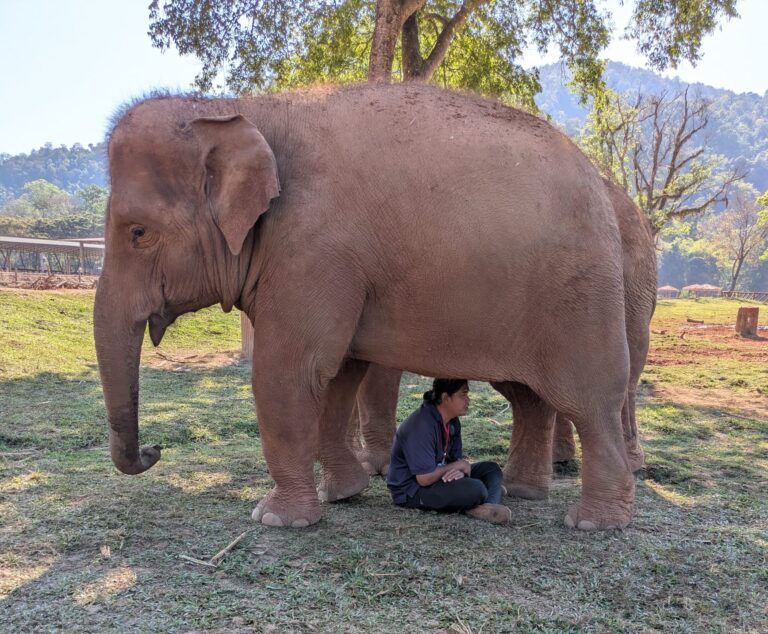
For many travelers, the dream of visiting Thailand is incomplete without an encounter with its most iconic resident: the elephant. However, as global awareness of animal welfare grows, the traditional “elephant camp” experience—marked by chains, riding saddles, and forced performances—has come under intense scrutiny. In the heart of Northern Thailand, tucked away in a verdant valley 1.5 hours north of Chiang Mai, lies a sanctuary that has spent over two decades proving that a better way is possible. Elephant Nature Park (ENP) is not just a tourist destination; it is a revolution in compassion, a rehabilitation center, and a lifelong home for the broken and the forgotten.
The Visionary Behind the Sanctuary: Lek Chailert
To understand Elephant Nature Park, one must first understand its founder, Saengduean “Lek” Chailert. Often called “The Elephant Whisperer,” Lek’s journey began in a small hill tribe village where her grandfather, a traditional healer, taught her to respect all living things. Witnessing the brutal reality of the logging and tourism industries—where elephants were subjected to the Phajaan (the “crush,” a ritualized torture meant to break an elephant’s spirit)—Lek vowed to spend her life being their voice.
In 2003, she established ENP as a permanent home for rescued elephants. Her work through the Save Elephant Foundation has since expanded across Asia, earning her international acclaim, including being named one of TIME Magazine’s “Heroes of Asia” and a “Woman Hero of Global Conservation” by Hillary Clinton. When you visit ENP, you aren’t just seeing elephants; you’re supporting a global movement led by one of the most dedicated conservationists of our time.
A Sanctuary of Stories: The Journey of Jokia and Mae Perm
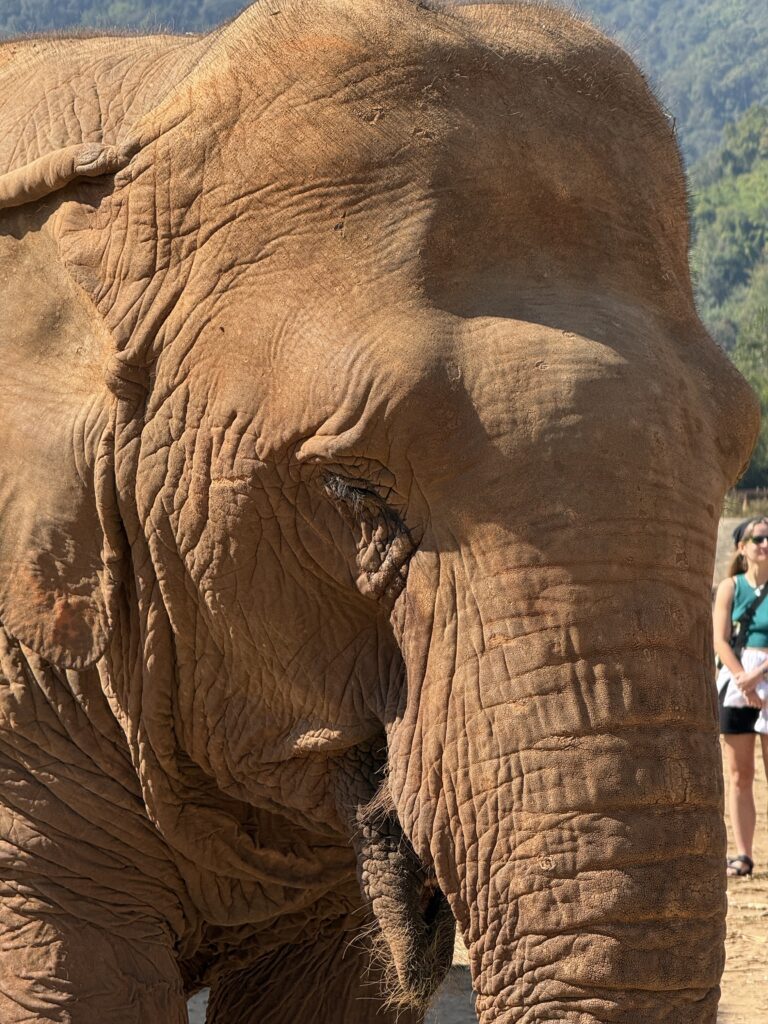
The true heart of ENP lies in the individual stories of its residents. Perhaps the most famous and heart-wrenching is that of Jokia. Rescued in 1999 from an illegal logging camp, Jokia’s past was one of unimaginable cruelty. While pregnant and forced to pull heavy logs uphill, she suffered a miscarriage. Her handlers, refusing to let her mourn, used slingshots to blind her in both eyes when she refused to continue working.
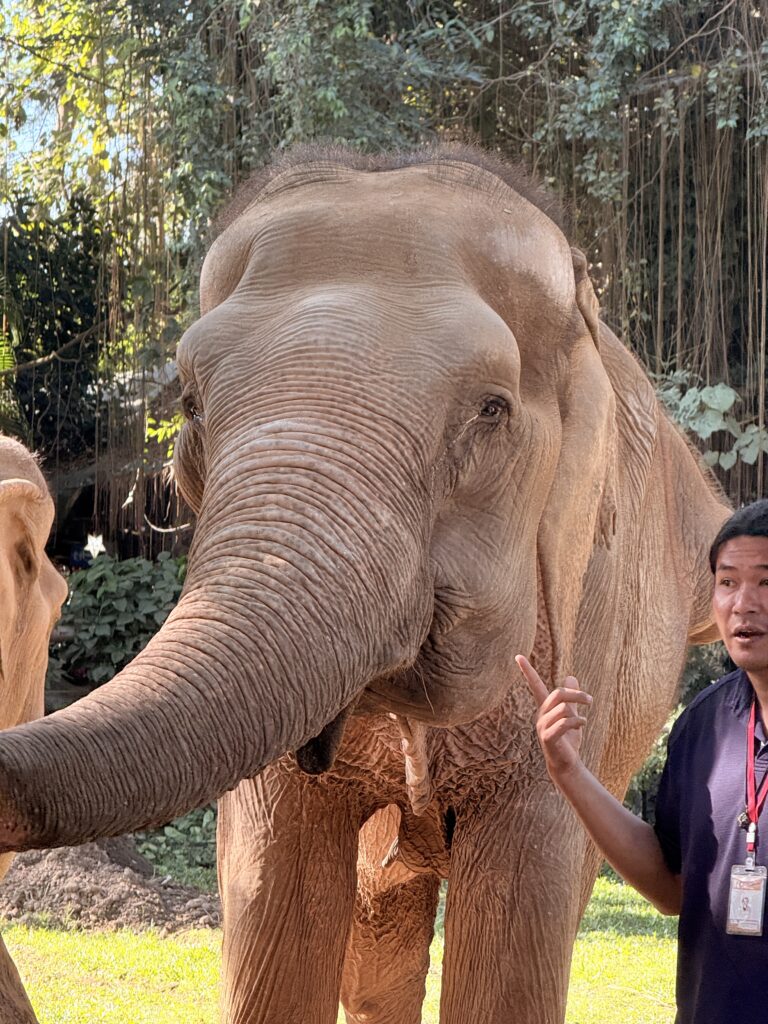
When Jokia arrived at the sanctuary, she was broken and terrified. It was here she met Mae Perm, another rescued elephant who stepped in to be her “seeing-eye” companion. For seventeen years, Mae Perm walked by Jokia’s side, guiding her to the river, the mud pits, and her favorite feeding spots. When Mae Perm passed away in 2016, Jokia stood by her body for six hours, letting out low, mournful rumbles. Today, Jokia remains a symbol of resilience at the park, having found new strength in the companionship of younger elephants. Her presence reminds every visitor why the park’s work is so vital: to turn a life of pain into a legacy of peace.
The “Hands-Off” Revolution
One of the most significant shifts in ENP’s history occurred in 2018 with the introduction of the SkyWalk and the Hands-Off program. While many sanctuaries allow visitors to bathe or feed elephants directly, Lek and her team realized that truly ethical tourism means letting elephants be elephants without human interference.
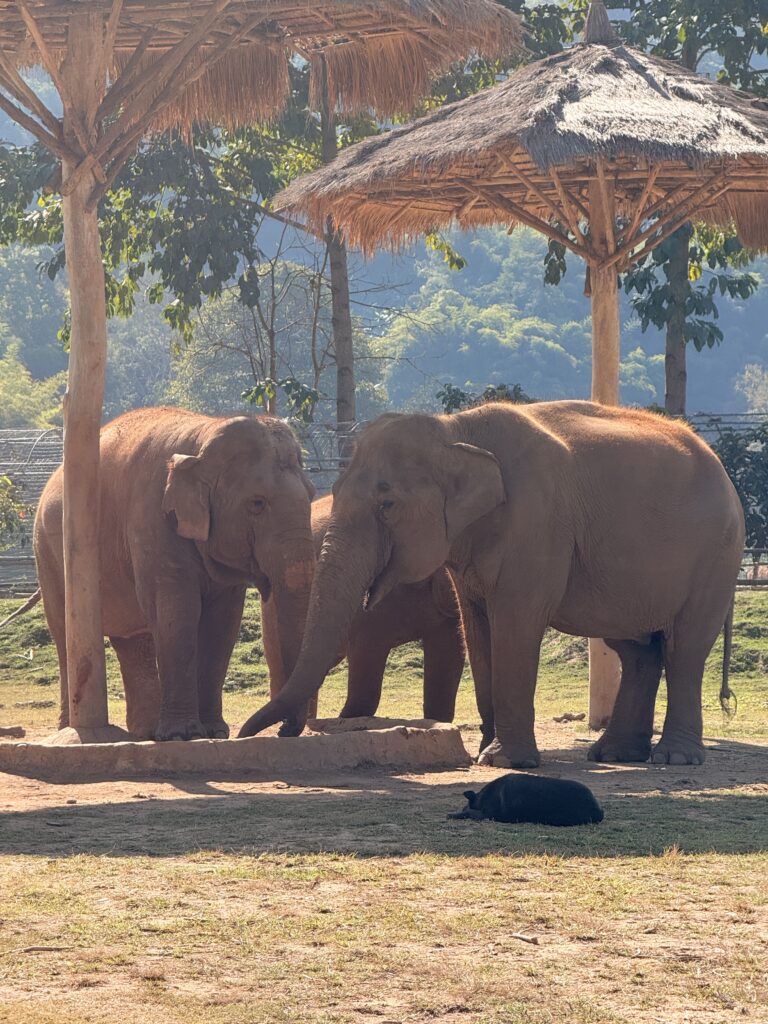
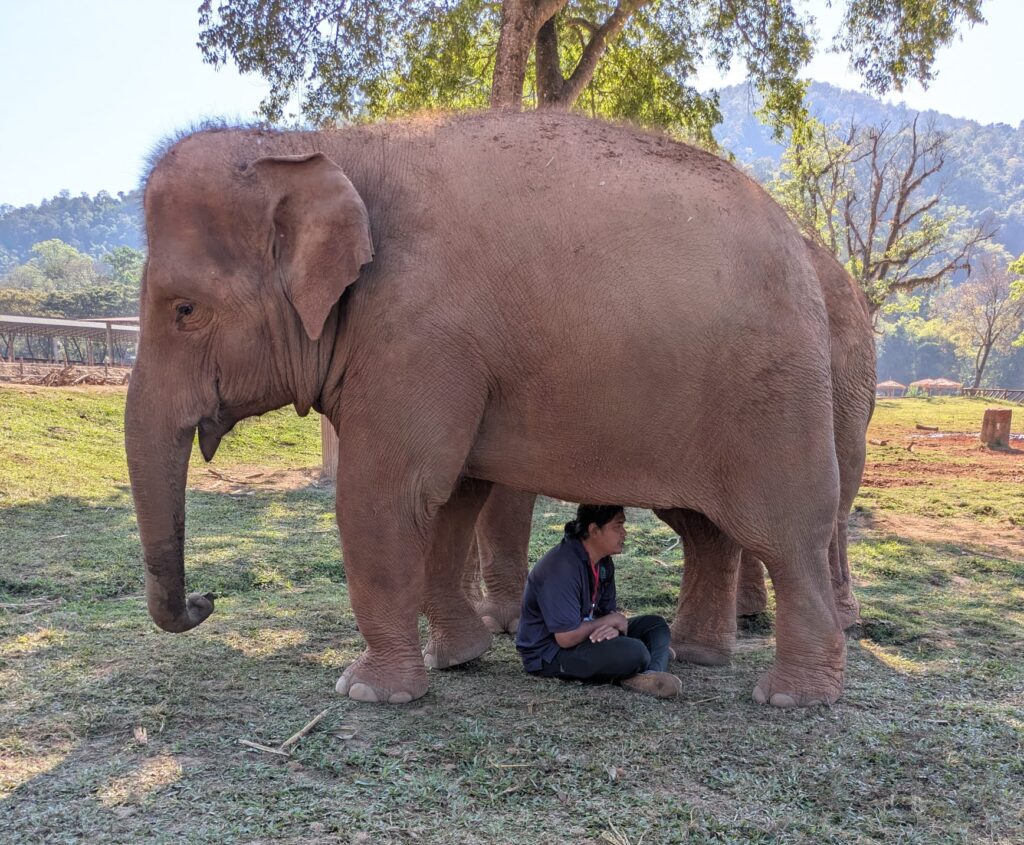
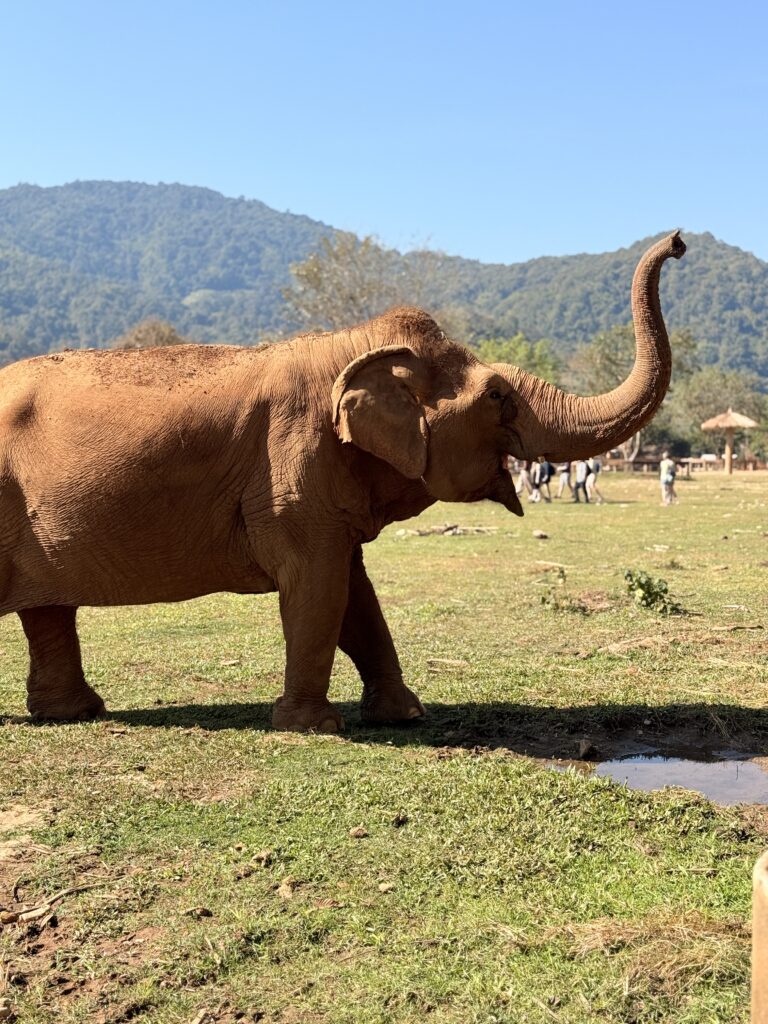
The SkyWalk is an elevated platform that winds through the park, allowing visitors to look down on the herds as they forage, play in the mud, and socialize in their natural family structures. This approach ensures the elephants are never forced into a routine for the sake of a photo op. Watching a herd of elephants voluntarily wander into the river to bathe themselves is infinitely more rewarding than being part of a choreographed “bath time.” It respects their autonomy and prioritizes their mental health above tourist entertainment.
Beyond Elephants: A Multi-Species Haven
While the elephants are the stars, ENP has evolved into a sanctuary for all creatures in need.
- Dog Rescue: Following the devastating Bangkok floods of 2011, the park became a refuge for abandoned dogs. Today, over 400 dogs live in custom-designed runs with an on-site animal hospital and a dedicated team of volunteers. Many of these dogs are available for international adoption, finding forever homes as far away as Canada and the UK.
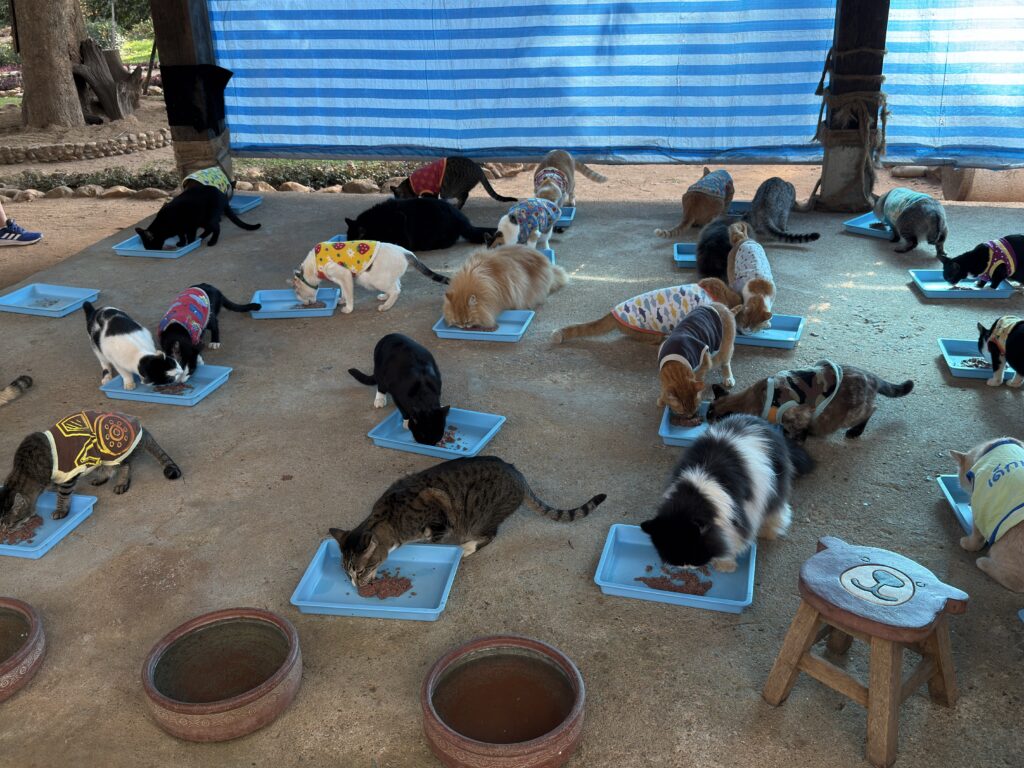
- Cat Kingdom: For feline lovers, the Cat Kingdom is a dream come true. Home to over 1,000 rescued cats, it features extensive climbing bridges, custom-built “cat dens,” and even its own mini-waterfall. It is a haven of purrs and play, managed with the same level of care and hygiene as the elephant herds.
- Buffaloes, Pigs, and More: You’ll often see herds of water buffaloes roaming the fields alongside the elephants, along with rescued pigs, horses, and birds. Every animal at ENP has a story of rescue, and every one of them is treated with the same dignity.
The Legendary Vegetarian Buffet
No travel guide to ENP would be complete without mentioning the food. Most day-visit programs include a massive, multi-course vegetarian buffet. Often cited by travelers as the best meal they had in Thailand, the spreads feature traditional Northern Thai dishes, fresh salads, and a variety of international options. The park’s commitment to a vegetarian menu aligns with its core philosophy of non-violence toward all animals, and even the most dedicated meat-eaters will find themselves coming back for seconds.
Planning Your Visit in 2026: Practical Tips
As Elephant Nature Park remains the most popular sanctuary in the region, planning ahead is essential. Here is what you need to know:
- Book Early: Full-day and overnight programs often sell out months in advance. If you’re planning a trip to Chiang Mai, the ENP booking should be one of the first things you secure.
- What to Bring: Wear clothes that you don’t mind getting a little dusty. Comfortable, closed-toe walking shoes are a must. Don’t forget reef-safe sunscreen, a hat, and a refillable water bottle (the park provides plenty of chilled water stations).
- Volunteer Opportunities: For those who want to truly immerse themselves, the week-long volunteer program offers a behind-the-scenes look at the sanctuary’s operations. You’ll help prepare massive amounts of food (elephants eat a lot!), clean their living areas, and assist with the dog rescue project.
- Support from Afar: If you can’t make it to Thailand, the park offers sponsorship programs where you can virtually “adopt” an elephant or dog, helping to fund their ongoing medical care and food.
Conclusion: A Legacy of Compassion
Elephant Nature Park is proof that tourism can be a force for good. By choosing to visit an ethical sanctuary, you are sending a clear message to the industry: the era of animal exploitation is ending. At ENP, you don’t just take home photos; you take home a deeper understanding of our connection to the natural world. You leave knowing that in a small valley in Northern Thailand, an extraordinary woman and her team have created a world where animals are no longer tools, but teachers of what it means to live with grace, resilience, and love.